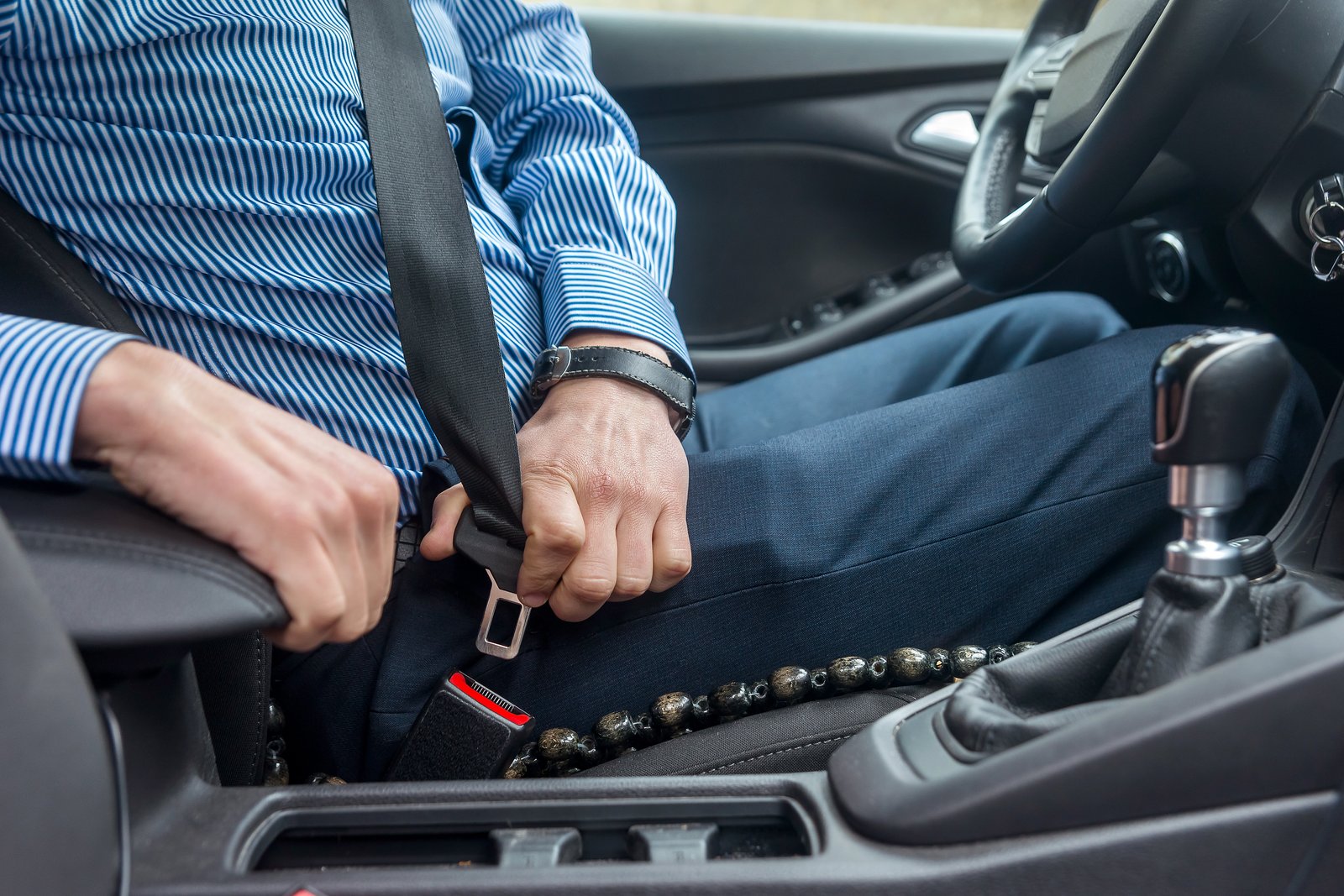






A car accident can leave you dealing with medical bills, missed work, and a long road to physical recovery, all while trying to figure out who is responsible for the crash. If you were not wearing a seatbelt when the collision happened, you may be wondering if that changes your ability to seek compensation at all. Many injured drivers and passengers assume that skipping the seatbelt automatically ends any chance of financial recovery, but that is not how Texas law works.
At Redemption Law, we help clients throughout Texas understand exactly where they stand after a crash, including how seatbelt use factors into a claim. Our team has guided accident victims through the claims process even when insurance companies try to use seatbelt non-use as a reason to deny or minimize a settlement. Understanding the rules around comparative negligence can make the difference between walking away with nothing and recovering the compensation you deserve.
Understanding Texas’ Modified Comparative Negligence Rule
Texas follows a modified comparative negligence system, which means fault for an accident can be divided between multiple parties rather than assigned to just one. This system allows you to recover damages even if you contributed to your own injuries in some way, as long as your share of the fault does not exceed a certain threshold.
Under Texas Civil Practice and Remedies Code, the state uses a 51 percent bar rule. This means you can still recover compensation as long as you are found to be 50 percent or less responsible for your injuries. If a jury or insurance adjuster determines you were 51 percent or more at fault, you would not be eligible to recover any damages from the other party. This threshold matters significantly in seatbelt cases, since not wearing one does not cause a crash but may be considered when assessing how much of your injury resulted from your own actions.
Why Insurance Companies Bring Up Seatbelt Use
Insurance companies look for any opportunity to reduce what they owe, and seatbelt non-use gives them an opening to argue that your injuries would have been less severe had you been buckled in. This tactic is often called the seatbelt defense, and it shifts the conversation away from who caused the crash and toward how much you may have contributed to your own harm.
How Seatbelt Non-Use Can Affect Your Compensation in Texas
If evidence shows that not wearing a seatbelt contributed to the severity of your injuries, a jury or insurer may assign you a percentage of fault. That percentage directly reduces the amount of compensation you can recover, but it does not eliminate your claim outright.
For example, if your damages are valued at 100,000 dollars and you are found to be 15 percent at fault for not wearing a seatbelt, your recoverable compensation would be reduced to 85,000 dollars. This reduction can feel discouraging, but it still allows you to pursue meaningful compensation for medical expenses, lost wages, and other losses tied to the crash.
What This Means for Different Types of Accident Claims
Comparative negligence and the seatbelt defense are not limited to standard car accident cases. These same principles can come up in claims involving rideshare accidents, where multiple insurance policies and parties are already complicating liability, or in cases involving drunk driving accidents, where the other driver’s conduct is far more severe than any seatbelt argument the defense could raise.
According to the Texas Department of Public Safety, Texas law requires drivers and front seat passengers to wear safety belts, and violations can result in citations. While the citation itself is separate from a civil injury claim, the underlying law establishes the standard that insurers reference when raising seatbelt-related arguments in a personal injury case.
Protect Your Claim After a Texas Car Accident With Redemption Law
If you were involved in a crash and were not wearing a seatbelt, do not assume your case is over before it starts. Comparative negligence exists precisely because most accidents involve some gray area, and Texas law accounts for that by allowing partial recovery in most situations. What matters most is building a strong case that keeps the focus on the other driver’s negligence while addressing the seatbelt issue directly instead of letting it go unanswered.
At Redemption Law, Christopher Alas, Esq. and our team understand how insurance companies build these defenses because we have pushed back against them for clients across Texas and Florida. If you were hurt in a crash and have questions about how seatbelt use may affect your claim, contact our team today to discuss your situation and next steps.

Christopher D. Alas is the founder and managing attorney of Redemption Law, a personal injury firm licensed in Texas and Florida. He oversees the firm’s litigation strategy and draws on a background in tax law to help clients understand the financial and legal implications of their injury claims. Read full bio
Christopher D. Alas is the founder and managing attorney of Redemption Law, a personal injury firm licensed in Texas and Florida. He oversees the firm’s litigation strategy and draws on a background in tax law to help clients understand the financial and legal implications of their injury claims. Read full bio
Related articles
Related articles Related articles Related articles Related articles Related articles Related articles Related articles Related articles Related articles Related articles
Personal Injury
06 Oct 2026
What to Do if You’re Injured as a Passenger in an Uber or Lyft Accident in Texas