


Texas Motorcycle Accident Attorney
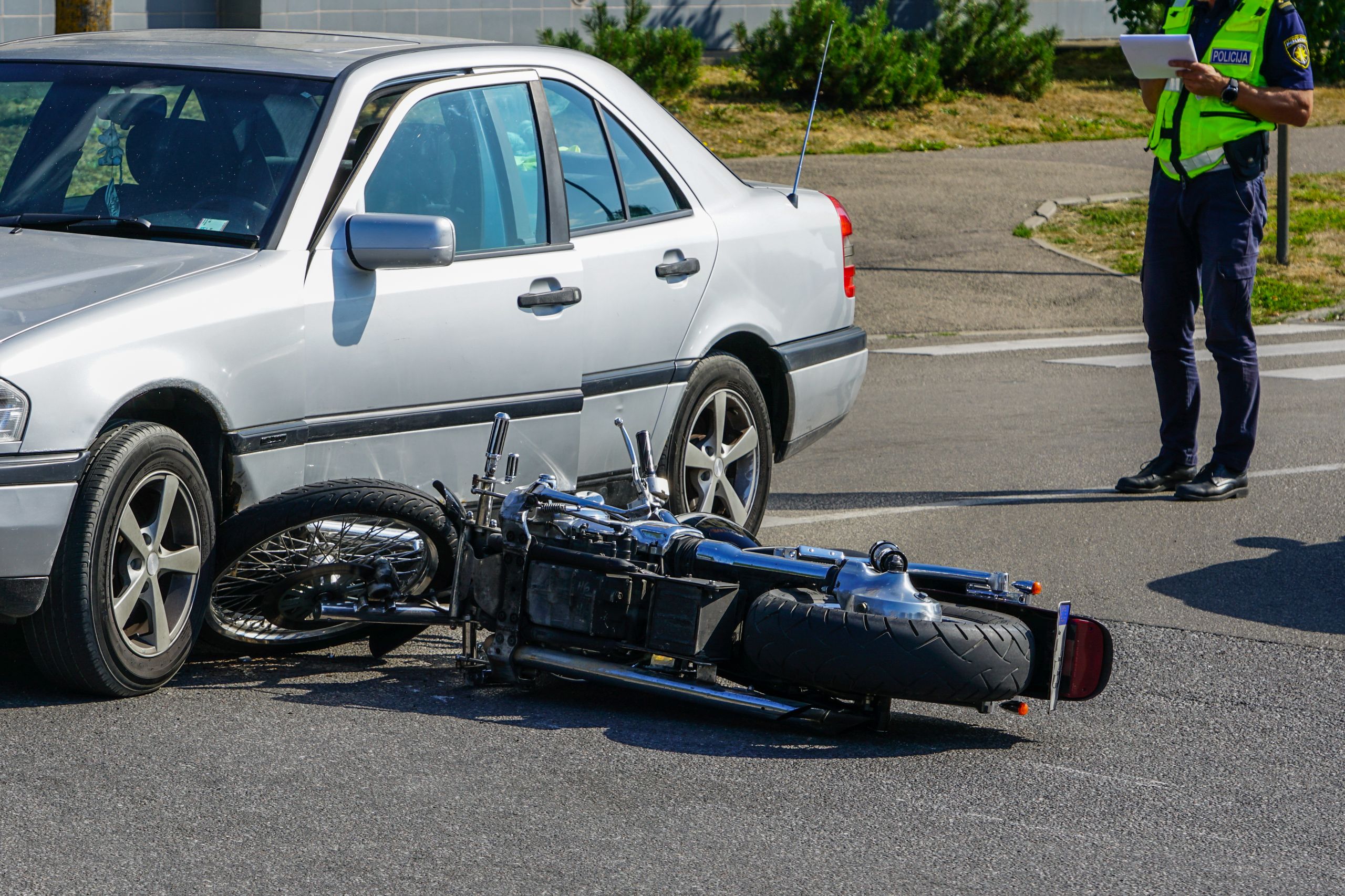
A motorcycle offers no steel frame, no airbag, and no seatbelt between a rider and the road. When another driver fails to yield, drifts into a lane, or turns left without seeing an oncoming bike, the rider absorbs the full force of the collision. The injuries that follow are frequently catastrophic, and the insurance process that comes next is often tilted against the very person who was hit. Knowing how Texas law applies to a motorcycle claim, and what insurers will do in the first days after a crash, matters more than most injured riders realize.
Redemption Law is a Texas personal injury firm founded by Christopher D. Alas that has built its practice around the kinds of cases where the stakes are highest and the insurance process is most aggressive. Motorcycle claims fall squarely in that category. Every client works with a dedicated team throughout their case, and that continuity matters in motorcycle claims where early evidence preservation and a fast response to insurer tactics can shape the entire outcome. Our personal injury practice reflects the firm’s focus on serious injury cases across Texas and the Rio Grande Valley.

Motorcycle Accidents in Texas: What the Data Shows
Texas consistently ranks among the most dangerous states in the country for motorcycle riders. According to TxDOT, 581 motorcyclists were killed and 2,534 were seriously injured on Texas roads in 2024 alone. That averages out to roughly one rider killed every single day. Despite representing a small fraction of registered vehicles, motorcyclists account for nearly 15 percent of all traffic deaths statewide.
Intersections are where motorcycle crashes most frequently turn fatal. TxDOT reports that 37 percent of motorcycle fatalities in 2024 occurred at or near an intersection, most often when a driver made a left turn without detecting the approaching rider or misjudged the motorcycle’s speed. More than half of all fatal motorcycle crashes in Texas involve a collision with another vehicle, and in the majority of those crashes, the other driver bears primary responsibility.

Types of Motorcycle Crashes We Handle
Not all motorcycle crashes happen the same way, and the type of collision shapes how fault is established and what evidence matters most. The most common crash types seen in Texas motorcycle accident claims include the following:
- Left-turn accidents: the most frequent motorcycle collision, occurring when a driver turning left across an intersection fails to see or misjudges an approaching rider.
- Rear-end collisions: a driver following too closely strikes the motorcycle from behind at a stop sign, traffic light, or in slow-moving traffic.
- Sideswipe accidents: a car or truck merges into a motorcyclist’s lane without checking blind spots, forcing the rider off course or into adjacent traffic.
- Head-on collisions: among the most deadly, these occur when a driver crosses the centerline and collides directly with a rider traveling in the opposite direction.
- Hit-and-run crashes: the at-fault driver flees the scene, leaving the injured rider without immediate assistance or identification of the responsible party.
- Unsafe lane change crashes: distracted or inattentive drivers change lanes without seeing a motorcycle already traveling in that space.
- Road hazard crashes: potholes, debris, oil, and uneven pavement affect motorcycles far more severely than enclosed vehicles and can be the basis for a claim against a government entity or contractor.
Identifying the specific type of crash matters because it determines which parties may bear liability, what physical evidence needs to be preserved, and how the claim is structured from the beginning.
Facts and Statistics
Facts and Statistics Facts and Statistics Facts and Statistics Facts and Statistics Facts and Statistics Facts and Statistics Facts and Statistics Facts and Statistics Facts and Statistics Facts and Statistics
Why Motorcycle Claims Are Harder to Win
Motorcycle accident claims come with a challenge car accident claims typically do not face: bias. Insurance adjusters, and sometimes juries, carry assumptions about riders that have no connection to the facts of any individual case. The default assumption is often that the motorcyclist was speeding, weaving through traffic, or riding recklessly. That assumption creates an obstacle in the claims process even when the evidence clearly shows the other driver caused the crash.
How Insurers Exploit Rider Bias
A skilled adjuster knows how to use the perception of rider fault to limit a payout. Under Texas’s modified comparative fault rule, a claimant can recover damages only if their share of fault stays at 50 percent or below. Pushing a rider’s percentage above that threshold eliminates any recovery entirely. That dynamic makes early documentation critical. What the crash report says, what witnesses observed, and what physical evidence shows at the scene all carry significant weight in how fault ultimately gets assigned. When an insurer moves quickly with a low settlement offer, they are often betting the rider has not yet spoken with an attorney.
Texas’s Partial Helmet Law and Its Effect on Claims
Texas requires riders under 21 to wear a helmet. Riders 21 and older may ride without one if they have completed a state-approved safety course or carry qualifying medical insurance. Not wearing a helmet does not bar a rider from pursuing a claim, but insurers may argue the absence of a helmet worsened the injuries, which can affect how damages are calculated. Our team addresses that argument directly when building a claim for unhelmeted riders.

What Texas Motorcycle Accident Victims Can Recover
Texas law allows injured motorcyclists to pursue compensation for both economic and non-economic losses, and the severity of injuries in motorcycle crashes means those categories often involve substantial amounts.
Economic Damages
Economic damages cover the direct financial losses tied to the crash. These include all medical expenses from emergency care through surgery, hospitalization, rehabilitation, and future treatment required because of the injury. They also include income lost during recovery, reduced future earning capacity where permanent injuries limit the ability to work, and the cost of replacing or repairing the motorcycle and any gear damaged in the crash.
Non-Economic Damages
Non-economic damages account for losses that do not appear on a bill but are just as real. Physical pain, emotional distress, mental anguish, and the lasting impact on daily life and relationships are all compensable under Texas law. In cases involving permanent scarring, disfigurement, or physical limitation, the non-economic component of a claim can be significant.
Punitive Damages
When the at-fault driver’s conduct was particularly reckless, such as driving drunk or racing on a public road, Texas law may allow for punitive damages in addition to compensatory damages. These are not intended to compensate the victim but to penalize the responsible party for conduct that went beyond ordinary negligence. Whether punitive damages apply depends on the specific facts of the crash and requires establishing gross negligence or intentional misconduct.

Wrongful Death in Texas Motorcycle Crash Cases
When a motorcycle crash is fatal, Texas law gives specific family members the right to pursue a wrongful death claim. The surviving spouse, children, and parents of the deceased may seek compensation for financial losses, funeral and burial expenses, lost household support, and the profound loss of companionship and guidance the family has sustained. If none of those individuals files a claim, the executor of the deceased’s estate may do so on behalf of the estate. These cases require careful handling, and the timeline for filing is the same two-year deadline that applies to personal injury claims.

How We Build a Motorcycle Accident Claim
At Redemption Law, building a motorcycle accident claim starts with preserving evidence before it disappears. Our team secures crash reports, traffic and surveillance footage, witness statements, and physical evidence from the scene as quickly as possible. In cases where fault is disputed, we work to reconstruct what happened and counter any narrative the insurer attempts to establish in the early days after a crash. We handle all communications with insurance companies directly so riders can focus on treatment. We also assess every applicable coverage source, including the at-fault driver’s liability policy, uninsured and underinsured motorist coverage, and any other policies that may respond to the claim.
Meet our team of experienced Texas motorcycle accident lawyers



Related practices
Boat Accident
Catastrophic Injury
Burn Injury
Child Injury
Drunk Driving Accident
Personal Injury
Premises Liability
Spinal Cord Injury
Traumatic Brain Injury
Bicycle Accident

Medical Malpractice

Dog Bite

Wrongful Death

Motorcycle Accident

Pedestrian Accident

Rideshare Accident

Slip & Fall Accident

Truck Accident

Car Accident
Testimonials




Frequently Asked Questions
Texas law gives most injured riders two years from the date of the crash to file a lawsuit. Waiting too long can permanently close off the right to pursue compensation, regardless of how clear the liability is.
Not wearing a helmet does not bar you from recovering damages under Texas law. However, the insurer may argue your injuries were worsened by the absence of a helmet. We address this argument directly in how we document and present the claim.
Texas uses a modified comparative fault system. You can still recover as long as your share of fault does not exceed 50 percent. The key is how the crash is documented and how the evidence is presented. Insurers routinely try to push a rider’s fault percentage higher than the facts support.
Your own uninsured or underinsured motorist coverage may apply if the at-fault driver had no policy, insufficient coverage, or was never identified. This is one of the first coverage issues we evaluate when reviewing a new claim.
Texas does not permit lane splitting, and if it was a factor in your crash, it may affect how fault is assigned. An attorney can evaluate how this issue applies to the specific facts of your situation.
We work on a contingency fee basis, which generally means no upfront costs and no attorney fees unless we recover compensation for you.

Talk to Redemption Law About Your Texas Motorcycle Accident Claim
Our team brings together attorneys, case managers, legal assistants, and a property damage specialist on every case, so you are not re-explaining your situation to different people as your claim moves forward. Christopher D. Alas founded Redemption Law to handle serious injury cases with a level of attention and transparency that clients can count on. We serve Spanish-speaking riders and families throughout Texas and the Rio Grande Valley, and we explain how the process works in plain terms so nothing gets lost at any stage. You can learn more about our firm and review recent legal insights from our team before making any decisions.
If you were injured in a motorcycle crash anywhere in Texas, reach out through our contact form to discuss what happened. We review claims at no cost and only get paid if we recover compensation on your behalf.
Ready to claim your justice?
We are here to help
Your trusted partners in personal injury law — our team blends 50+ years of expertise with a passion for justice.

"*" indicates required fields

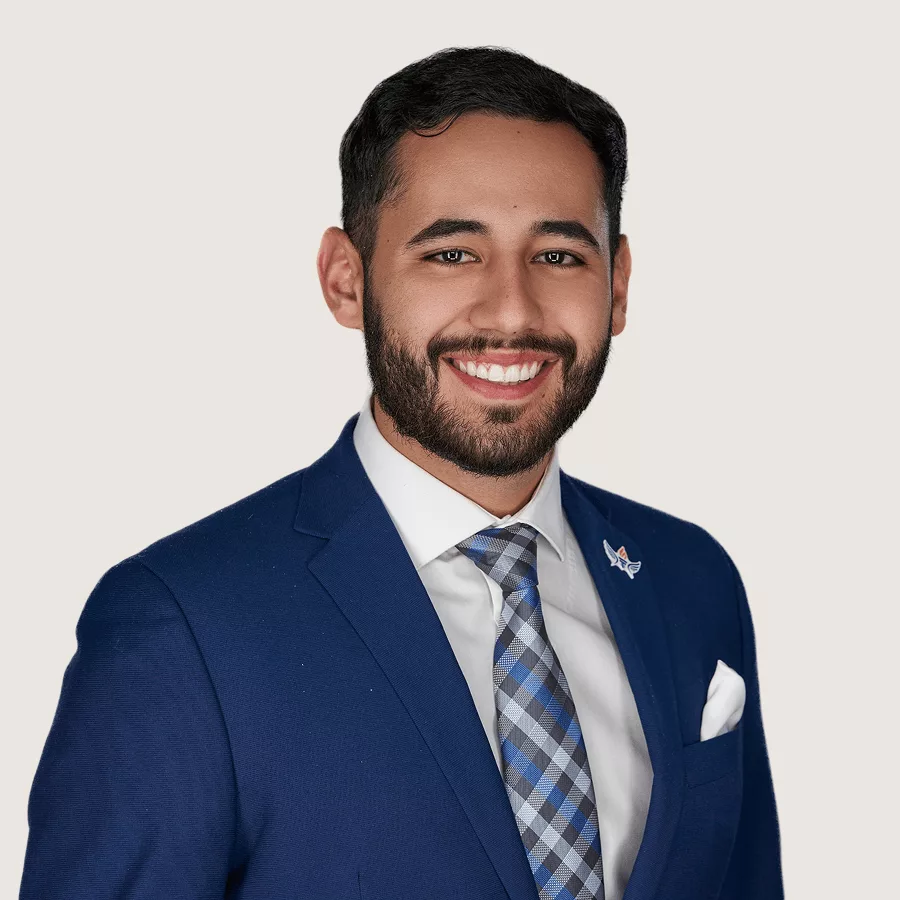
Christopher D. Alas is the founder and managing attorney of Redemption Law, a personal injury firm licensed in Texas and Florida. He oversees the firm’s litigation strategy and draws on a background in tax law to help clients understand the financial and legal implications of their injury claims. Read full bio


