


Texas Pedestrian Accident Lawyers
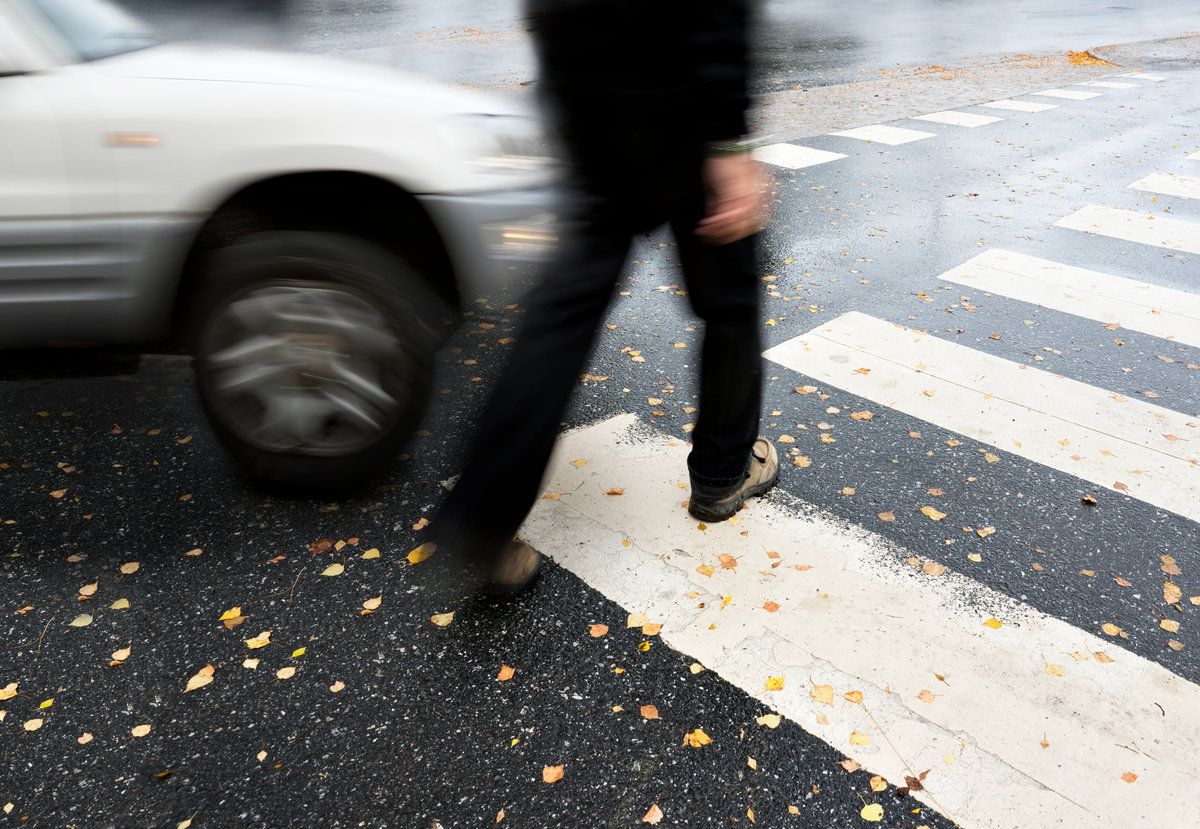
A car weighs over two tons and can reach highway speeds in seconds. A person on foot weighs a fraction of that and has nothing between them and the impact. When a driver fails to yield at a crosswalk, runs a red light, or looks away from the road at the wrong moment, the outcome for the pedestrian is almost always catastrophic. Texas is one of the most dangerous states in the country for people on foot, and the legal process that follows a pedestrian crash is often complicated by insurers who move quickly to dispute fault before the injured person has had a chance to speak with an attorney.
Pedestrian accident claims require a specific kind of preparation. Evidence at the scene disappears fast, driver accounts get recorded before the injured person is out of the hospital, and insurance companies are skilled at raising questions about whether the pedestrian bears some of the blame. Redemption Law is a Texas personal injury firm founded by Christopher D. Alas that handles serious injury cases where those early decisions carry the most weight. Every client works directly with a coordinated team, an attorney, a case manager, a legal assistant, and a property damage specialist, and that continuity shapes how evidence is preserved and how claims are built. Our personal injury practice covers pedestrian accident claims throughout Texas and the Rio Grande Valley.

The Scope of Pedestrian Crashes in Texas
Texas consistently reports some of the highest pedestrian fatality numbers in the country. According to TxDOT’s Pedestrian Safety Campaign, there were 6,095 crashes involving pedestrians in Texas in 2024, resulting in 772 deaths. Pedestrian fatalities now account for roughly one in five of all traffic deaths statewide, a proportion that reflects how exposed people on foot are compared to vehicle occupants in the same crashes.
The majority of fatal pedestrian crashes occur in urban areas, where vehicle traffic and foot traffic most frequently intersect. Evening and nighttime hours carry elevated risk, when reduced visibility makes it harder for drivers to see pedestrians and harder for pedestrians to see approaching vehicles. Major metro areas including Houston, Dallas, San Antonio, and Austin consistently lead the state in total pedestrian crash numbers, though the severity of crashes in smaller cities and rural areas can be just as serious when emergency response times are longer.
What Texas Law Requires of Drivers Around Pedestrians
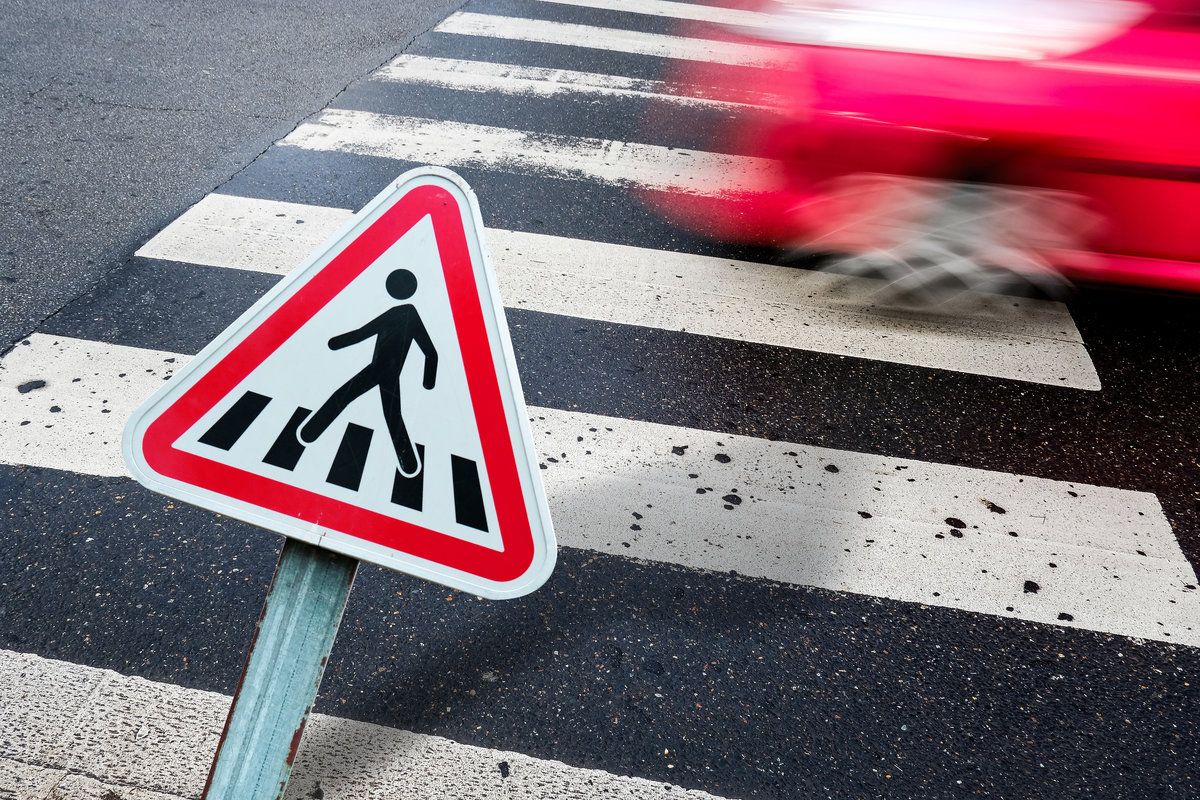
Texas Transportation Code Chapter 552 establishes specific duties drivers owe to people on foot. Drivers must stop and yield to pedestrians crossing at marked or unmarked crosswalks when no traffic signal controls the intersection. When a pedestrian signal displays a walk, drivers must yield before proceeding. Beyond crosswalk rules, Texas law imposes a general duty to exercise due care to avoid striking any person on or near the roadway, to give an audible warning when reasonably necessary, and to take extra precautions near children or anyone who appears confused or incapacitated. When a driver violates any of these duties and a pedestrian is hurt as a result, that violation becomes direct evidence of fault.
These are not abstract standards. They define what a driver was legally required to do at the moment of the crash, and when they did not do it, that failure forms the core of a negligence claim.
Facts and Statistics
Facts and Statistics Facts and Statistics Facts and Statistics Facts and Statistics Facts and Statistics Facts and Statistics Facts and Statistics Facts and Statistics Facts and Statistics Facts and Statistics
Where Pedestrian Crashes Happen Most Often in Texas
Understanding where a crash occurred is often as important as understanding how it happened, because location shapes what evidence is available and which parties may bear responsibility.
Intersections and Crosswalks
The most common location for serious pedestrian crashes is the intersection. Left-turn and right-turn movements are particularly dangerous because drivers focused on traffic gaps often fail to check whether a pedestrian has stepped into their path. Marked crosswalks provide legal protection but no physical barrier. When a driver fails to yield at a crosswalk, that violation is documented in the crash report and carries significant weight in a claim.
Mid-Block and Arterial Roads
Mid-block crossings occur when pedestrians cross streets between intersections, often because crosswalks are too far apart or traffic signals are poorly timed. Texas’s urban sprawl creates long stretches of arterial roads without adequate pedestrian infrastructure, which forces people into situations where drivers are not expecting them. These crashes often produce disputes about comparative fault, since Texas law requires pedestrians to yield to vehicles when crossing outside a marked crosswalk.
School Zones, Residential Streets, and Construction Areas
School zones carry reduced speed limits and enhanced penalties for violations, but crashes involving children on foot still occur with regularity. Construction zones create hazardous conditions for pedestrians who must navigate around barriers, altered traffic patterns, and reduced lighting. When a government entity or contractor’s failure to maintain safe conditions contributed to a crash, liability may extend beyond the at-fault driver.

How Comparative Fault Applies to Pedestrian Claims
Texas’s modified comparative fault rule applies to pedestrian cases the same way it applies to any personal injury claim. A pedestrian can still recover damages as long as their share of fault does not exceed 50 percent. Their total recovery is then reduced by their assigned fault percentage. Insurers routinely attempt to assign fault to pedestrians, citing factors such as crossing outside a crosswalk, wearing dark clothing at night, or being distracted by a phone. These arguments are not automatically disqualifying, but they need to be addressed with solid evidence about what actually happened and what the driver failed to do.

Common Causes of Pedestrian Crashes in Texas
Most pedestrian accidents result from a specific act of driver negligence. The causes our firm most commonly sees in these claims include the following:
- Distracted driving: phone use, adjusting navigation, or any in-vehicle activity that pulls a driver’s eyes off pedestrians.
- Failure to yield: at crosswalks, intersections, and during turning movements where drivers are focused on vehicle gaps rather than foot traffic.
- Speeding: which reduces the driver’s ability to stop in time and dramatically increases the severity of impact when a pedestrian is struck.
- Impaired driving: alcohol and drug impairment reduce reaction time and awareness, particularly dangerous during evening hours when pedestrian fatality risk is already elevated.
- Poor lighting and visibility: inadequate street lighting, dark clothing, and glare conditions that affect driver perception of pedestrians on or near the roadway.
- Road design and maintenance failures: missing crosswalks, broken signals, and dangerous pavement conditions that can shift liability to the government entity responsible for that road.
Identifying the cause of the crash early determines what evidence needs to be preserved and whether parties beyond the at-fault driver may share responsibility.
Hit-and-Run Crashes and Uninsured Drivers
When the driver who struck a pedestrian flees the scene or carries no insurance, there are still paths to compensation. A pedestrian’s own auto insurance policy may include uninsured motorist coverage that applies even when the injured person was on foot rather than in a vehicle at the time of the crash. Police investigation through traffic cameras, surveillance footage, and witness accounts sometimes identifies a hit-and-run driver after the fact. Preserving that evidence quickly, before footage is overwritten or witnesses lose contact, is one of the first things our team addresses after being retained.
What Pedestrian Accident Victims Can Recover
Texas law allows injured pedestrians to pursue compensation for economic and non-economic losses tied to the crash. Economic damages include all medical costs from emergency treatment through surgery, rehabilitation, and ongoing care, along with income lost during recovery and reduced future earning capacity where permanent injuries affect the ability to work. Non-economic damages cover physical pain, emotional distress, and the lasting impact on daily life and activities. In fatal pedestrian crashes, the surviving spouse, children, and parents of the deceased may pursue a wrongful death claim for the financial and personal losses the family has sustained.
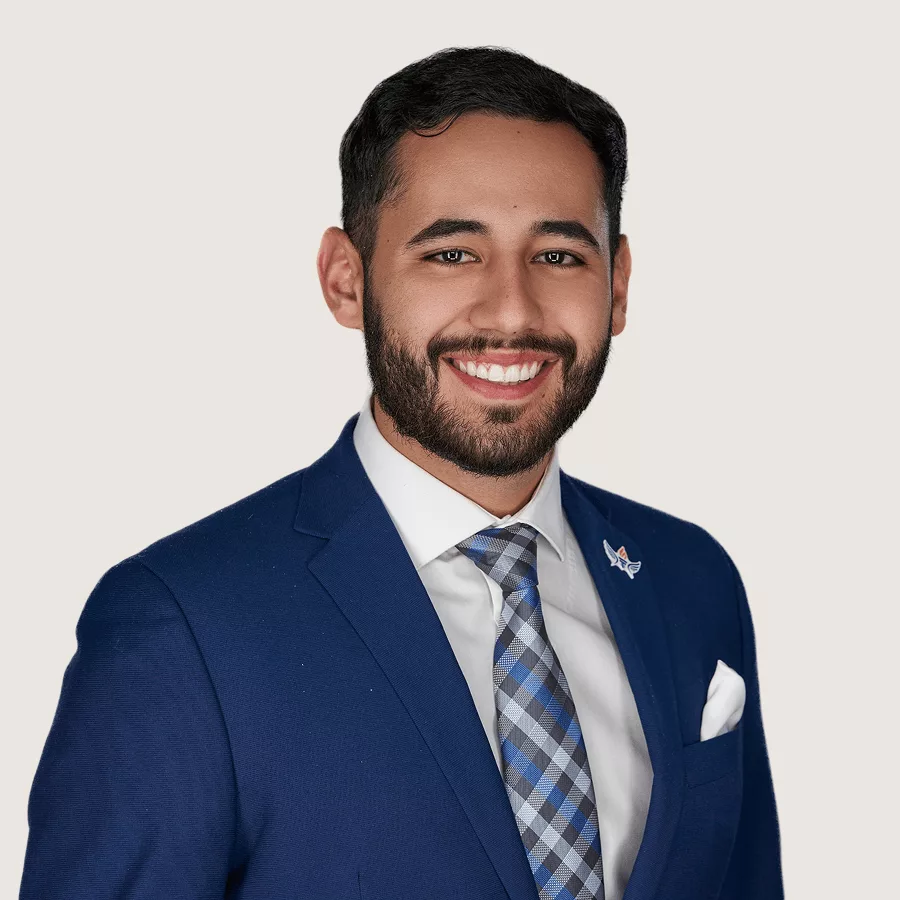
Meet our team of experienced Texas pedestrian accident lawyers



Related practices
Boat Accident
Catastrophic Injury
Burn Injury
Child Injury
Drunk Driving Accident
Personal Injury
Premises Liability
Spinal Cord Injury
Traumatic Brain Injury
Bicycle Accident

Medical Malpractice

Dog Bite

Wrongful Death

Motorcycle Accident

Pedestrian Accident

Rideshare Accident

Slip & Fall Accident

Truck Accident

Car Accident
Testimonials




Frequently Asked Questions
Yes. Texas uses a modified comparative fault rule. As long as your share of fault does not exceed 50 percent, you can still recover damages. Your total compensation is reduced by your assigned fault percentage. The key is how the evidence is presented and whether the driver’s negligence is clearly documented.
Crossing mid-block does not automatically bar you from recovery. Texas law still requires drivers to exercise due care to avoid striking pedestrians anywhere on the road. Fault will be evaluated based on the full circumstances of the crash, including the driver’s speed, attentiveness, and ability to have avoided the collision.
Your own uninsured motorist coverage may provide compensation even when the at-fault driver is never identified. Police investigation also sometimes identifies hit-and-run drivers through traffic cameras and witness accounts. Acting quickly to preserve that evidence gives investigators the best opportunity to track down the responsible party.
Texas law gives most pedestrian accident victims two years from the date of the crash to file a lawsuit. Claims against government entities may have shorter deadlines and additional procedural requirements. Waiting significantly reduces the available evidence and limits your legal options.
Government entities can be held liable when a dangerous road condition, missing crosswalk, broken signal, or inadequate lighting contributed to a pedestrian crash. These claims involve specific procedural rules and shorter filing windows than standard personal injury claims, which is one reason early legal consultation matters.
We work on a contingency fee basis, which generally means no upfront costs and no attorney fees unless we recover compensation for you.

Talk to Redemption Law About Your Texas Pedestrian Accident Claim
Pedestrian accident cases move quickly in the wrong direction when evidence is not secured early and insurers are left unchecked in the first days after a crash. The team at Redemption Law coordinates the investigation, handles insurer communications, and builds the evidentiary record while clients focus on treatment and recovery. Christopher D. Alas founded the firm to handle exactly these kinds of serious injury cases, and our Spanish-speaking staff serves clients throughout Texas and the Rio Grande Valley. You can read more about the firm and review our legal resources before making any decisions.
If you or a family member was struck by a vehicle in Texas, reach out through our contact form to discuss your situation. We review claims at no cost and only get paid if we recover compensation on your behalf.
Ready to claim your justice?
We are here to help
Your trusted partners in personal injury law — our team blends 50+ years of expertise with a passion for justice.

"*" indicates required fields

Christopher D. Alas is the founder and managing attorney of Redemption Law, a personal injury firm licensed in Texas and Florida. He oversees the firm’s litigation strategy and draws on a background in tax law to help clients understand the financial and legal implications of their injury claims. Read full bio


